
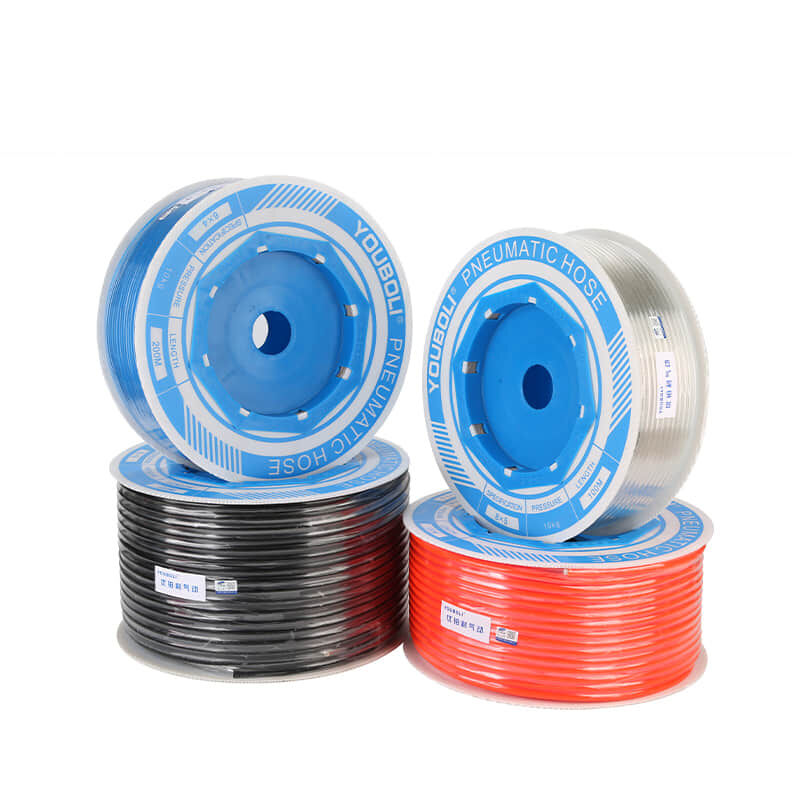
Pneumatic systems have long been a cornerstone of industrial automation, offering reliable and efficient solutions for powering machinery and tools. These systems utilize compressed air to perform mechanical tasks, such as lifting, pushing, and rotating. However, as industries evolve and new technologies emerge, the future of pneumatic components is also undergoing significant transformation. From advancements in energy efficiency to the integration of smart technologies, pneumatic systems are adapting to meet the demands of modern industries. Here are some key innovations and trends shaping the future of pneumatic components.
1. Energy Efficiency and Sustainability
One of the most pressing concerns in today’s industrial landscape is energy consumption. Pneumatic systems, while highly efficient, often rely on compressed air, which can be energy-intensive to produce. As industries move toward more sustainable practices, the development of energy-efficient pneumatic components is becoming increasingly important. New technologies, such as energy recovery systems, are being incorporated into pneumatic circuits to reclaim energy that would otherwise be wasted, improving overall system efficiency.
Additionally, advancements in materials and design are leading to lighter, more durable pneumatic components that require less energy to operate. Pneumatic cylinders, for example, are being designed with optimized seals and more precise tolerances to reduce air leakage and improve performance. These innovations help reduce the environmental impact of pneumatic systems and lower operational costs for businesses.
2. Integration with IoT and Industry 4.0
The rise of the Internet of Things (IoT) and Industry 4.0 is driving the integration of pneumatic systems with smart technologies. Pneumatic components are increasingly being equipped with sensors, actuators, and wireless communication capabilities, allowing for real-time monitoring and remote control. This integration enhances the performance of pneumatic systems by providing data on factors like air pressure, flow rates, and component health.
In the future, IoT-enabled pneumatic systems will be able to self-diagnose issues, predict maintenance needs, and optimize performance based on real-time data analysis. This shift will result in reduced downtime, increased reliability, and better overall system efficiency. Furthermore, by enabling predictive maintenance, businesses can minimize costly repairs and improve the longevity of their equipment.
3. Miniaturization and Precision Engineering
As manufacturing processes become more complex and precise, there is an increasing demand for smaller, more accurate pneumatic components. Advances in miniaturization and precision engineering are allowing for the development of ultra-compact pneumatic actuators, valves, and cylinders that deliver high performance in tight spaces.
These miniaturized components are particularly valuable in industries like robotics, electronics manufacturing, and medical devices, where space constraints and precision are critical. The ability to integrate smaller, more powerful pneumatic components into machines opens up new possibilities for innovation and efficiency in various fields.
4. Hybrid Systems: Combining Pneumatics with Other Technologies
The future of pneumatic systems also lies in hybrid solutions that combine the benefits of pneumatics with other technologies, such as hydraulics or electric actuators. Hybrid systems can offer enhanced versatility and performance, allowing industries to select the most appropriate technology for specific applications. For example, in environments that require both high force and precise motion, a hybrid system combining pneumatics and hydraulics can deliver the best of both worlds.
These hybrid systems are becoming more common in sectors like automotive manufacturing, packaging, and material handling, where flexibility and efficiency are key. As the demand for complex, multifunctional systems grows, hybrid pneumatic systems will become a crucial part of the industrial landscape.
5. Automation and AI-Driven Controls
Automation continues to reshape the way industries operate, and pneumatic systems are no exception. The integration of artificial intelligence (AI) with pneumatic components is enhancing the capabilities of automated systems. AI algorithms can be used to optimize the operation of pneumatic systems by analyzing performance data and making real-time adjustments to pressure, flow, and other parameters.
This trend towards AI-driven control will result in more adaptive, intelligent pneumatic systems that can respond dynamically to changing conditions, improving overall process efficiency and reducing energy consumption. Furthermore, AI can help automate routine maintenance tasks, further extending the lifespan of pneumatic components and reducing human intervention.
Conclusion
The future of pneumatic components is being shaped by a variety of technological advancements, from energy-efficient designs to the integration of smart technologies. As industries continue to push for higher efficiency, sustainability, and automation, pneumatic systems will evolve to meet these demands. Innovations such as IoT integration, hybrid systems, miniaturization, and AI-driven controls will play a key role in transforming pneumatic technologies, making them more efficient, precise, and adaptable. As these trends continue to unfold, Service Processor will remain a vital part of the industrial ecosystem, powering the next generation of manufacturing and automation.