
When it comes to electrical wiring in homes, offices, or industrial setups, one of the most common methods is exposed wiring. This wiring method is often preferred for its simplicity, cost-effectiveness, and ease of maintenance.
 For anyone planning electrical installations in Karachi, sourcing reliable materials from a Fast Cables Supplier in Karachi can make a huge difference in the quality and safety of your project.
In this guide, we will explore the advantages and disadvantages of exposed wiring, factors to consider before choosing this method, and tips to ensure safety and efficiency.
What is Exposed Wiring?
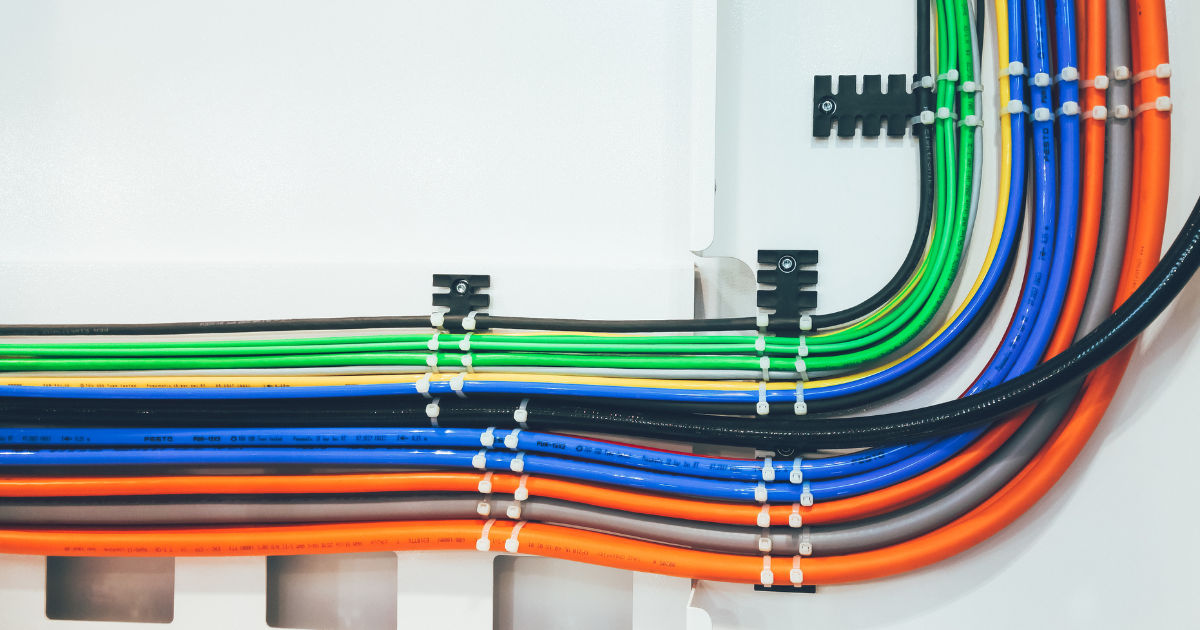
Exposed wiring refers to electrical wires that are installed in a visible manner, typically on the surface of walls, ceilings, or floors, rather than being hidden behind plaster or inside conduits. This method uses wire clips, conduits, or surface-mounted trunking to hold the wires in place. It is widely used in temporary setups, older buildings, and areas where frequent electrical modifications are needed.
Unlike concealed wiring, where the wires are hidden inside walls or floors, exposed wiring allows for easy access for repairs, inspections, or upgrades. Choosing the right wires and accessories from a trusted Fast Cables Supplier in Karachi ensures both durability and safety for exposed wiring systems.
Types of Exposed Wiring Methods
Exposed wiring can be implemented using several methods, each suited to specific environments. Here are the most common types:
1. PVC Clips Method
In this method, wires are held in place with plastic clips attached to the wall. This is a low-cost and simple method suitable for residential buildings.
Pros: Easy to install, low cost, flexible for modifications.
Cons: Less aesthetic appeal, clips may wear out over time.
2. Conduit Wiring
Conduits are protective tubes made of PVC or metal through which wires are run. Exposed conduit wiring is common in commercial and industrial buildings.
Pros: Offers protection from physical damage, improves safety.
Cons: Slightly more expensive, installation requires more labor.
3. Trunking Method
Trunking uses a rectangular or square casing to house multiple wires. It is commonly used in offices, factories, and workshops.
Pros: Organizes wires neatly, protects from dust and mechanical damage.
Cons: Can be bulky, may affect aesthetics.
4. Flexible Cable Method
This method involves running flexible cables along the surface using hooks or supports. It is usually seen in temporary setups or outdoor wiring.
Pros: Extremely flexible, easy to reroute wires.
Cons: Minimal protection, requires careful installation to avoid hazards.
Advantages of Exposed Wiring Methods
Exposed wiring offers several benefits that make it a popular choice in certain scenarios. Let’s discuss these in detail.
1. Cost-Effective Installation
One of the biggest advantages of exposed wiring is its affordability. Since it does not require chiseling walls or installing complex concealed conduits, the labor and material costs are significantly lower. For homeowners or small businesses, this makes exposed wiring a practical choice. A Fast Cables Supplier in Karachi can provide wires and accessories at reasonable rates, further reducing costs.
2. Easy Maintenance and Repairs
With exposed wiring, all wires are accessible on the surface, which makes maintenance, troubleshooting, and repairs straightforward. Electricians can quickly identify and fix issues without causing damage to walls or ceilings. This is particularly beneficial in offices and industrial settings where electrical downtime can be costly.
3. Flexibility for Modifications
Exposed wiring allows for easy expansion or modification of electrical circuits. Adding new points, rerouting cables, or upgrading systems is simple because wires are accessible. This flexibility is one of the main reasons many industrial setups prefer exposed wiring.
4. Quick Installation
Compared to concealed wiring, which involves cutting walls, laying wires, and plastering, exposed wiring is much faster to install. For projects with tight deadlines, this method can save both time and labor costs.
5. Reduced Risk of Wall Damage
Since exposed wiring does not require cutting or drilling deep into walls, it minimizes structural damage. This is particularly useful in rented spaces or older buildings where preserving the walls is important.
6. Safety from Water Damage
In areas prone to moisture, such as kitchens or bathrooms, exposed wiring is often safer because any leaks or water damage can be quickly spotted and addressed. Encased wiring hidden behind walls may go unnoticed and create hazards over time.
Disadvantages of Exposed Wiring Methods
Despite its advantages, exposed wiring also comes with several drawbacks that must be considered before installation.
1. Aesthetic Concerns
One of the most obvious disadvantages of exposed wiring is its appearance. Wires running along walls or ceilings can look cluttered and may not suit modern interior designs. Trunking or conduits can improve appearance slightly, but they may still be noticeable.
2. Risk of Physical Damage
Exposed wires are more vulnerable to physical damage caused by accidental impact, rodents, or furniture movement. While conduits or trunking can offer some protection, plain wires secured with clips are prone to wear and tear.
3. Electrical Hazards
If installed improperly, exposed wiring can pose electrical hazards. Loose wires or inadequate insulation can result in shocks, short circuits, or even fires. Choosing quality wires from a reputable Fast Cables Supplier in Karachi is essential to mitigate these risks.
4. Limited Durability
Compared to concealed wiring, exposed wiring is more susceptible to environmental factors like dust, humidity, and sunlight. Over time, this can reduce the lifespan of the wires and increase the frequency of repairs or replacements.
5. Cluttered Look
Even with protective conduits, exposed wiring can create a cluttered and industrial look, which may not be suitable for residential interiors or modern office spaces where aesthetics are important.
6. Noise Interference
In some cases, exposed wires may be more prone to electromagnetic interference, particularly if they run close to other electronic devices. This can impact sensitive equipment and reduce overall efficiency.
Factors to Consider Before Choosing Exposed Wiring
Before opting for exposed wiring, it is important to evaluate several factors to ensure that it is the right choice for your project.
1. Location
Consider the type of building and room where the wiring will be installed. Exposed wiring is suitable for industrial sites, garages, basements, and temporary setups. For high-end residential or office spaces, concealed wiring may be preferred for aesthetics.
2. Load Requirements
Assess the electrical load and type of equipment that will be connected. Heavy appliances may require thicker wires and additional protection. A Fast Cables Supplier in Karachi can provide guidance on the right gauge and type of wires for your needs.
3. Safety Regulations
Ensure that the installation complies with local electrical safety codes and regulations. Proper insulation, correct wire gauge, and protective conduits are essential to reduce the risk of hazards.
4. Maintenance Plan
Consider how often the wiring may need maintenance or modification. Exposed wiring is ideal in scenarios where frequent access is required.
5. Budget
While exposed wiring is cost-effective, the total cost will depend on the type of conduits, clips, or trunking used. Comparing prices from different suppliers, including a trusted Fast Cables Supplier in Karachi, can help you make an informed decision.
Tips for Safe Exposed Wiring Installation
Safety is paramount when dealing with electricity. Here are some tips to ensure your exposed wiring setup is safe and efficient:
1. Use High-Quality Wires
Always use wires that meet safety standards and are rated for the intended load. Avoid cheap, low-quality wires, as they can deteriorate quickly and pose serious hazards.
2. Protect Wires with Conduits or Trunking
Even in exposed setups, using PVC conduits or trunking helps protect wires from physical damage and enhances durability.
3. Maintain Proper Distance
Keep wires away from heat sources, water pipes, or sharp objects. Proper spacing reduces the risk of insulation damage and electrical hazards.
4. Secure Wires Firmly
Use appropriate clips or hooks to prevent wires from sagging or moving. Loose wires are not only unsightly but can also be dangerous.
5. Regular Inspection
Periodic inspections help identify any wear and tear, loose connections, or potential hazards. Quick action can prevent accidents and ensure the longevity of the wiring system.
6. Hire Professional Electricians
While exposed wiring is simpler than concealed wiring, professional installation ensures compliance with safety standards and reduces the risk of accidents.
Common Applications of Exposed Wiring
Exposed wiring is widely used in various settings due to its practicality and ease of maintenance:
-
Industrial Facilities: Factories, workshops, and warehouses often use exposed wiring for ease of access and modification.
-
Temporary Installations: Construction sites and temporary office setups benefit from exposed wiring because of its flexibility.
-
Garages and Basements: These areas often require simple, functional wiring rather than aesthetic perfection.
-
Older Buildings: In older structures where walls cannot be easily altered, exposed wiring provides a practical solution.
Exposed Wiring vs Concealed Wiring
To make an informed decision, it is important to compare exposed wiring with concealed wiring:
| Feature | Exposed Wiring | Concealed Wiring |
|---|---|---|
| Installation Cost | Low | High |
| Maintenance | Easy | Difficult |
| Aesthetics | Less attractive | Clean and modern |
| Flexibility | High | Low |
| Durability | Moderate | High |
| Safety | Moderate | High (if installed correctly) |
Both methods have their merits, but the choice depends on budget, aesthetics, maintenance needs, and safety considerations.
Conclusion
Exposed wiring is a practical, cost-effective, and flexible solution for many electrical installations. It is ideal for industrial settings, temporary setups, and areas where frequent maintenance is required. However, it has drawbacks such as limited aesthetics, potential safety risks, and susceptibility to physical damage.
Choosing high-quality wires and accessories from a trusted Fast Cables Supplier in Karachi is crucial to ensure safety, durability, and efficiency. Proper planning, professional installation, and regular inspections can help mitigate the risks associated with exposed wiring.
Ultimately, the decision between exposed and concealed wiring depends on the specific needs of your project, your budget, and your priorities for maintenance and aesthetics. By understanding the pros and cons outlined in this guide, you can make an informed choice and ensure a safe, reliable electrical system for your home, office, or industrial setup.