Category: Travel & Tours

Exploring Affordable Morocco Vacation Packages for Every TravelerExploring Affordable Morocco Vacation Packages for Every Traveler

What Are Morocco Vacation Packages?

Morocco vacation packages are curated travel deals that combine accommodations, transportation, and tours into a single, convenient offering. These packages simplify the planning process and often provide cost savings compared to booking individual components separately. From bustling markets in Marrakech to the vast dunes of the Sahara Desert, these packages help travelers experience Morocco’s rich culture, diverse landscapes, and historical landmarks with ease and confidence.

Why Choose a Package Over Independent Travel?

Opting for an all-inclusive or guided Morocco vacation package offers numerous advantages. First, packages typically include expert local guides who provide fascinating insights into Morocco’s history and customs, offering a deeper understanding of sites like Fes’ ancient medina or Chefchaouen’s blue streets. Additionally, packages streamline logistics, reducing the stress of navigating unfamiliar transport systems or language barriers. According to the World Tourism Organization, travelers who use guided tours report higher satisfaction due to the convenience and cultural enrichment offered.

Travelers can select from a variety of itineraries based on interests and time availability. Key highlights usually featured in Morocco vacation packages include:

  • Marrakech: The vibrant city known for Jemaa el-Fnaa square, souks, and stunning palaces.
  • Fez: A UNESCO World Heritage Site famous for its medieval architecture and tanneries.
  • Sahara Desert: Opportunities for camel trekking and overnight stays in Berber-style tents.
  • Atlas Mountains: Scenic hikes and visits to traditional Berber villages.
  • Essaouira: A coastal town offering fresh seafood and relaxed beach vibes.

These destinations offer diverse experiences, from urban exploration to nature adventures, showcasing Morocco’s multifaceted appeal.

How to Find the Right Morocco Vacation Package for You

Selecting the ideal Morocco vacation package depends on several factors, such as budget, travel style, preferred activities, and trip duration. Some travelers prioritize luxury accommodations and private tours, while others seek budget-friendly group tours with shared transportation. Specialized packages may focus on themes like culinary experiences, cultural immersion, or adventure travel.

Travel consultants and seasoned travelers often recommend reviewing customer feedback and comparing inclusions carefully before committing. Many users find that Morocco Vacation Packages combine affordability with comprehensive itineraries, making them an excellent choice for first-time visitors or those wanting a hassle-free journey.

Tips to Maximize Your Morocco Vacation Experience

To get the most from your Morocco vacation package, consider these practical tips:

  • Plan for Seasonal Variations: Morocco’s climate varies significantly; spring and fall offer pleasant temperatures, while summer can be quite hot, especially in desert areas.
  • Respect Local Customs: Dress modestly and be aware of cultural norms to foster positive interactions.
  • Pack Essentials: Bring comfortable walking shoes, sun protection, and a reusable water bottle.
  • Stay Flexible: While packages have set schedules, allowing some personal time can enhance the travel experience.
  • Engage with Locals: Take opportunities to sample traditional cuisine and participate in cultural events to deepen your connection with the country.

Final Thoughts on Morocco Vacation Packages

Morocco vacation packages provide a structured yet immersive way to explore a country renowned for its fascinating blend of African, Arab, and European influences. These packages cater to a variety of traveler needs—from solo adventurers to families—ensuring access to Morocco’s iconic sites and hidden gems alike. With thoughtful planning and the right package choice, visitors can enjoy a seamless and enriching journey through one of North Africa’s most captivating destinations.

Nuit magique en bivouac sous les étoiles à Erg ChegagaNuit magique en bivouac sous les étoiles à Erg Chegaga

Une expérience unique au cœur du désert marocain

Passer une nuit en bivouac sous les étoiles à Erg Chegaga est une immersion profonde dans l’immensité du Sahara marocain. Ce désert majestueux, avec ses dunes infinies et son silence quasi absolu, offre un cadre incomparable pour se reconnecter avec la nature. Le bivouac permet aux voyageurs de vivre une aventure authentique, loin du tumulte des villes, et d’observer un ciel nocturne d’une clarté exceptionnelle. En effet, les conditions météorologiques du désert garantissent une visibilité parfaite des constellations, un spectacle que peu de régions au monde peuvent offrir.

Préparer son bivouac : conseils et équipements indispensables

Pour profiter pleinement du bivouac sous les étoiles à Erg Chegaga, une bonne préparation est essentielle. Le climat désertique impose des températures élevées durant la journée et un froid parfois prononcé la nuit. Il est donc recommandé d’apporter des vêtements chauds pour la nuit, ainsi qu’un chapeau et des lunettes de soleil pour la journée. Un sac de couchage adapté aux températures basses est aussi un élément clé pour assurer un sommeil confortable.

La nourriture et l’eau doivent également être suffisamment prévues, car les points d’approvisionnement sont rares dans cette région isolée. Enfin, un équipement minimaliste mais efficace, comme une lampe frontale, un matelas gonflable léger et une trousse de premiers secours, contribuera à garantir la sécurité et le confort du bivouac.

Le charme du désert : calme, lumière et ciel étoilé

Le bivouac dans l’erg Chegaga est réputé pour la qualité exceptionnelle de son ciel nocturne. Loin de toute pollution lumineuse, les étoiles se dévoilent dans leur totalité, permettant d’admirer la Voie lactée et d’identifier aisément des constellations comme Orion ou la Grande Ourse. Ce spectacle naturel fascine aussi bien les astronomes amateurs que les simples passionnés de nature.

Par ailleurs, le silence du désert, ponctué uniquement par le souffle du vent ou le bruissement du sable, crée une atmosphère apaisante propice à la méditation et à la déconnexion numérique. Les nuits en bivouac sous les étoiles à Erg Chegaga représentent donc un véritable voyage sensoriel, où le temps semble suspendu.

Témoignages et bénéfices du bivouac dans l’erg Chegaga

De nombreux voyageurs soulignent que Bivouac sous les étoiles erg chegaga offre une expérience enrichissante, tant sur le plan personnel que spirituel. Ce type d’aventure en plein désert favorise une prise de conscience écologique, puisqu’il nécessite de respecter un environnement fragile. Par ailleurs, la rencontre avec les nomades locaux, qui partagent leur savoir et leur culture, enrichit le séjour d’une dimension humaine précieuse.

Les experts du tourisme durable considèrent également que ce mode d’hébergement contribue à valoriser un tourisme responsable, respectueux des ressources naturelles et des traditions sahariennes. En tant que développeur de contenus spécialisés, je peux affirmer que cette expérience incarne parfaitement le mélange d’aventure et de respect environnemental recherché par de nombreux voyageurs contemporains.

Comment organiser son séjour et quelles alternatives ?

Pour organiser un bivouac sous les étoiles à Erg Chegaga, il est conseillé de faire appel à des guides locaux ou à des agences spécialisées dans le tourisme saharien. Ces professionnels garantissent la sécurité, l’authenticité du parcours, ainsi qu’un hébergement adapté dans des campements traditionnels ou en tentes nomades.

Certaines formules incluent des randonnées à dos de dromadaire ou à pied, permettant d’explorer les alentours et d’apprécier pleinement les paysages désertiques. D’autres proposent des soirées à thème avec contes sahariens, musique traditionnelle et dégustation de spécialités locales, enrichissant ainsi l’expérience culturelle.

Conclusion : un souvenir gravé à jamais

Bivouaquer sous les étoiles à Erg Chegaga ne se réduit pas à une simple nuit en plein désert, c’est une invitation à une introspection profonde, à la découverte d’un monde millénaire et à une communion rare avec la nature. Ce séjour laisse une empreinte durable dans la mémoire des aventuriers, offrant un équilibre parfait entre émerveillement, tranquillité et respect du patrimoine naturel.

Pour ceux qui cherchent à vivre une aventure hors du commun, loin du tourisme de masse, cette expérience reste un incontournable du désert marocain.

Morocco Cycling Holidays for Scenic Cultural EscapesMorocco Cycling Holidays for Scenic Cultural Escapes

Morocco cycling holidays blend human-powered adventure with rich North African culture, giving riders a way to cross deserts, mountains, and coastlines in a single trip. In simple terms, a Morocco cycling holiday is a multi-day bike journey that combines guided or self-guided routes with local food, cultural encounters, and diverse landscapes, tailored to different fitness levels. Within your first few days on the bike, you can expect quiet rural roads, friendly villages, and some of the most cinematic scenery you’ll ever pedal through.

According to the World Tourism Organization, Morocco regularly ranks among Africa’s most visited countries, and cycling tourism is a growing slice of this inbound travel. That means you’ll find an increasingly robust network of tour operators, bike rental outfits, and support vehicles geared specifically toward cyclists. From a developer’s perspective, Morocco feels like a well-structured “API” for adventure: distinct regions (endpoints), varied conditions (parameters), and lots of ways to combine them into your own custom itinerary.

Why Choose Morocco for a Cycling Holiday?

Morocco stands out among cycling destinations for three main reasons: diversity of terrain, cultural richness, and accessibility.

Diverse terrain in compact distances

You can ride from high mountain passes to palm-fringed valleys and coastal roads in a week:

  • The High Atlas offers long climbs, hairpin descents, and cooler air.
  • The Anti-Atlas and desert fringes bring arid plateaus and rocky pistes.
  • The Atlantic coast adds rolling hills, sea breezes, and fishing towns.

This variety suits both road cycling and gravel biking, making the country as appealing to endurance road riders as to bikepacking enthusiasts.

Layered culture at handlebar speed

Cycling slows you down enough to notice details you’d miss from a car: women baking bread in communal ovens, children herding goats across terraced hillsides, call to prayer drifting over an oasis at sunset. You can pedal through Berber (Amazigh) villages, historic caravan routes, and centuries-old medinas, then end the day in a traditional riad or desert camp.

Good seasonal windows and flight access

With airports in Marrakech, Casablanca, Agadir, and Fes, Morocco is well connected to Europe and beyond. Winter sun seekers can ride in mild desert conditions, while spring and autumn provide near-ideal temperatures across the country.

Key Regions for Morocco Cycling Holidays

While you can theoretically ride anywhere, several regions have become classics for cycle tourism and bike touring.

1. High Atlas Mountains

The High Atlas are the spine of Moroccan cycling adventure:

  • Terrain: Long, sustained climbs; steep switchbacks; rougher side roads.
  • Highlights: Tizi n’Tichka and other high passes, valleys lined with walnut and almond trees, small Amazigh hamlets.
  • Who it suits: Intermediate to advanced riders comfortable with elevation gain and variable road surfaces.

You’ll experience dramatic altitude changes and cooler temperatures, making spring and autumn the prime seasons here. Gravel riders often detour onto unpaved routes threading between villages.

2. Desert and Oases Around the Sahara Fringe

You won’t ride directly on soft dunes for long, but the roads skirting the Sahara are spectacular:

  • Terrain: Mostly quiet tarmac, some gravel; long, exposed stretches.
  • Highlights: Palm oases, kasbahs, adobe villages, star-filled skies.
  • Who it suits: Leisure to strong riders; support vehicles are common due to distances and heat.

Expect big horizons, intense light, and a profound sense of space—especially on sunrise or sunset rides near dune fields like Erg Chebbi or Erg Chigaga.

3. Atlantic Coast and Souss Region

This is the gentler side of Morocco cycling holidays:

  • Terrain: Rolling coastal roads, inland valleys, some wind exposure.
  • Highlights: Surf towns like Taghazout, argan forests, coastal cliffs, fishing ports.
  • Who it suits: Mixed groups, newer riders, or those wanting a more relaxed pace.

The Atlantic coastline is especially good in winter, when inland areas may be too hot or the high passes too cold.

4. Northern Rif and Imperial Cities

Less known to international cyclists but increasingly popular:

  • Terrain: Green, hilly, and sometimes steep.
  • Highlights: Chefchaouen’s blue lanes, views of the Mediterranean, proximity to Fes or Tangier.
  • Who it suits: Riders who enjoy punchy climbs and varied scenery, with cultural city days bookending their rides.

Guided vs Self-Guided Cycling in Morocco

A crucial planning decision is whether to join an organized tour or ride independently.

Guided Tours

Guided Morocco cycling holidays usually include:

  • Support vehicle and mechanic
  • Luggage transfers
  • Pre-vetted accommodations
  • Local guide and sometimes a cultural host

They’re ideal if you value safety backup, don’t speak French or Arabic, or simply prefer to focus on riding and immersion instead of navigation logistics. Many experienced riders note that Morocco cycling holidays run by specialist operators often balance challenging daily distances with time to interact with local communities and enjoy authentic food.

Self-Guided and Bikepacking

If you’re confident with route planning and basic bike repairs, Morocco is rewarding for self-guided trips:

  • Download offline maps for rural areas.
  • Learn basic French phrases for food and accommodation.
  • Plan conservative daily distances in mountains or desert where conditions can be extreme.

Bikepacking setups (gravel bikes with frame bags) work especially well on mixed-surface itineraries in the Atlas and Anti-Atlas.

Best Time of Year for a Morocco Cycling Holiday

Climate is key to a successful trip. Morocco’s conditions vary sharply by region and altitude.

  • Spring (March–May): Arguably the best all-round season. Snow still crowns the highest peaks, valleys are green, and temperatures are pleasant in most regions.
  • Autumn (late September–November): Stable weather, warm days, cooler nights. Excellent for High Atlas and desert edge rides.
  • Winter (December–February): Great for desert and Atlantic coast; can be cold, wet, or snowy at altitude. Some high passes may be closed or risky.
  • Summer (June–August): Typically too hot for most routes, especially inland. If you must ride, stick to higher elevations and very early starts.

Always check recent local conditions; heatwaves and unseasonal storms do happen.

What Kind of Bike and Gear Do You Need?

The “right” setup depends on your chosen region and style of riding.

Bike types

  • Road bike: Ideal for tarmac-heavy itineraries in the High Atlas or coastal areas.
  • Gravel bike: The most versatile choice, handling both paved and rough rural roads.
  • Mountain bike: Best if you plan serious off-road or singletrack adventures.

Sturdy tires (32–40 mm for gravel, 25–28 mm for road) help with sometimes rough surfaces, occasional potholes, and gravel patches.

Essential gear

  • Quality helmet and cycling gloves
  • Sun protection (high-SPF cream, sunglasses, cap or buff)
  • Layering system for big temperature swings (especially in mountains and desert nights)
  • Two large bottles or hydration system
  • Basic spares: tubes, patches, multi-tool, chain quick-links, pump

If you join a tour, confirm what’s included—many provide bikes, but experienced riders may prefer bringing their own trusted machine.

Safety, Etiquette, and Local Culture

Morocco is generally welcoming to cyclists, but a few guidelines will improve your experience.

Road etiquette and traffic

  • Expect variable driving standards; ride defensively.
  • Use lights and bright clothing, especially at dawn/dusk.
  • On narrow roads, move single file for vehicles, and acknowledge drivers who give you space.

In many rural areas, you’ll be a curiosity. Friendly waves and “bonjour” go a long way.

Respecting local norms

  • Dress modestly off the bike, especially in conservative villages (cover shoulders and knees).
  • Always ask before photographing people.
  • During Ramadan, be discreet when eating or drinking in public during daylight.

Cycling gives you easy opportunities to interact, but you are also a guest in small communities; your behaviour shapes future cyclists’ welcome.

Sample Itinerary: One Week of Riding in Morocco

To visualize a Morocco cycling holiday, imagine this seven-day loop:

  1. Marrakech to the foothills: Warm-up ride through olive groves and small villages.
  2. Climb into the Atlas: Tackle a major pass, overnight in a mountain guesthouse.
  3. Valley descent: Long downhill through gorge landscapes and terraced fields.
  4. Plateau and kasbahs: Rolling terrain, visit a historic fortified village.
  5. Desert fringe day: Early ride across semi-desert, afternoon at an oasis.
  6. Transfer and coastal spin: Short ride along Atlantic roads to a fishing port.
  7. Return to city: Relaxed city cycling or rest day before departure.

This sort of itinerary balances challenge with recovery, culture with scenery, and gives a realistic taste of Morocco’s contrasts.

Final Thoughts on Planning Morocco Cycling Holidays

Morocco cycling holidays turn the country’s raw contrasts—snow-capped summits, desert plateaus, Atlantic swells, bustling medinas—into a cohesive, pedal-powered journey. With smart timing, the right bike, and a thoughtful choice between guided and self-guided formats, cyclists of many abilities can experience the country safely and deeply. Approach the roads with respect, pack for variable weather, and stay open to those spontaneous roadside tea invitations; that combination makes Morocco one of the most memorable cycling destinations you can ride.

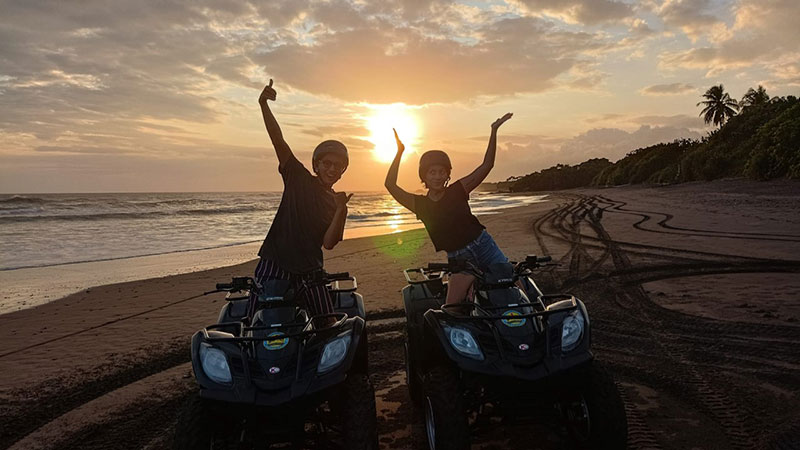
Top 5 Benefits Of Booking A Topical Anaestheti Tour Steer In BaliTop 5 Benefits Of Booking A Topical Anaestheti Tour Steer In Bali


Booking a topical anaestheti tour steer in Bali offers an enriching see that goes far beyond just visiting popular tourer musca volitans. Local guides ply a unusual insider s position on the island, giving travelers access to concealed gems and trusty cultural experiences that are often uncomprehensible when exploring independently. Their deep knowledge of https://baliventur.com s history, traditions, and natural wonders transforms a simple trip into a unforgettable venture, creating lasting impressions and important connections.

One of the primary quill benefits of hiring a local tour guide in Bali is their expertise and in-depth noesis of the part. Unlike generic wine travel apps or guidebooks, local anaesthetic guides have big up immersed in Balinese culture and empathize the nuances of the island s diverse offerings. They can partake entrancing stories about temples, ceremonies, and local anaesthetic impost that bring off each terminus to life. This insider cognition helps tourists appreciate the meaning of what they are seeing, making visits to landmarks like Uluwatu Temple or Tirta Empul more significant.

Another advantage of booking a topical anaestheti steer is the and personalized serve they cater. Planning a trip in Bali can be overwhelming, given the abundance of attractions and activities open across the island. A local anaesthetic steer can shoehorn the travel plan according to your interests, pace, and preferences, ensuring you get the most out of your time. Whether you want to search the cultural heart of Ubud, trek through rice terraces, or coddle in a beach day, the steer s local anaesthetic insight helps streamline the see and avoid commons holidaymaker pitfalls like overcrowded floater or scams.

Safety and solace are also importantly enhanced when travel with a topical anesthetic guide. Bali, while in general safe for tourists, still requires awareness of topical anaestheti dealings, endure conditions, and taste sensitivities. A knowing guide helps voyage these challenges smoothly, ensuring travelers feel procure and respected. From transcription dependable transportation to assisting with language barriers, topical anesthetic guides wield supplying inside information that can otherwise cause strain. This support allows visitors to unlax and bury themselves full in the journey, rather than badgering about the practicalities.

Booking a topical anesthetic tour steer also promotes responsible and sustainable tourism. Guides who live in the communities you visit are often profoundly invested with in conserving Bali s and . They can target tourists to eco-friendly businesses, topical anaestheti artisans, and lesser-known destinations that gain from touristry without causing harm. This approach helps visitors contribute positively to the local economy and fosters reciprocative observe between travelers and residents. Choosing topical anaestheti guides supports the community straight, ensuring tourism increment benefits the people who call Bali home.

Lastly, a local anesthetic tour steer enriches the sociable and taste between visitors and Balinese people. Through their steering, travelers gain a more reliable understanding of Bali s unique intermingle of Hindu traditions, art, and life. They often stage opportunities to witness traditional ceremonies, participate in workshops like Balinese cookery or trip the light fantastic toe, and interact with locals in substantive ways. These experiences deepen taste for the island s inheritance and make connections that transcend normal tourist interactions. Such taste dousing not only enhances the travel undergo but also leaves travelers with a greater feel of and abide by for Bali s vivacious .

In summary, hiring a local tour steer in Bali unlocks a treasure trove of benefits. Their expertise offers insightful storytelling and purposeful participation with the island s culture. Personalized itineraries ply convenience and efficiency, maximizing every second of your trip. Safety and comfort are improved with their help navigating unacquainted surroundings. Supporting local anesthetic guides fosters sustainable touristry that benefits the community and the environment. Most significantly, local anaesthetic guides help TRUE taste exchanges, enriching your travel with persistent experiences and deeper understanding. For anyone visiting Bali, reservation a topical anesthetic guide is a that transforms a typical holiday into an unusual jeopardize occupied with discovery, connection, and observe.

Tailored Travel Exploring Busan with Private ToursTailored Travel Exploring Busan with Private Tours

Busan, South Korea’s bustling port city, offers a rich tapestry of culture, stunning landscapes, and culinary delights. For travelers seeking a personalized experience, private Busan tours present an ideal way to explore this vibrant destination. With the flexibility to curate your itinerary, private tours provide an immersive experience, allowing you to dive deep into Busan’s local life and hidden gems.

The Allure of Private Tours

Private bus tours are tailored to meet individual interests and preferences, making them an attractive option for those wanting to make the most of their time in Busan. Unlike conventional group tours, private tours allow for a customized itinerary that can cover anything from historical landmarks to contemporary art galleries, bustling markets, and serene beaches.

Why Choose a Private Tour?

  1. Personalized Experience: Private tours can be tailored to specific interests, whether they be art, food, history, or nature. This means you can spend more time exploring the places that matter most to you.

  2. Flexible Itinerary: With a private guide, you can change your plans on the go. If you discover a quaint café or an intriguing museum, your guide can easily adjust your schedule to accommodate your whims.

  3. Local Insight: Local guides provide valuable insights and stories about the places you visit, enhancing your understanding and appreciation of the culture. Their knowledge can lead you to locations that are often overlooked by regular tourists.

  4. Comfort and Convenience: Traveling in a private vehicle ensures comfort, especially when moving between destinations. It also eliminates the hassle of navigating public transport, allowing you to relax while enjoying the sights.

Must-See Attractions in Busan

Busan is rich with attractions that appeal to various interests. Here are a few highlights you might consider including in your private tour:

1. Haeundae Beach

Renowned for its beautiful sandy shores, Haeundae Beach is a must-visit, especially during the summer months. Here, visitors can enjoy beach activities, beachfront dining, and even an array of festivals.

2. Gamcheon Culture Village

This colorful hillside neighborhood is famous for its artistic vibe and stunning views. Explore its narrow alleys adorned with murals and creative installations, and don’t forget to check out the local cafés and shops.

3. Jagalchi Fish Market

As Korea’s largest seafood market, Jagalchi is a culinary paradise. A private tour can offer you an insider’s view of the market’s bustling atmosphere, where you can sample fresh seafood and learn about local dishes. Experts suggest that Private Busan tours provide an unparalleled opportunity to explore the city’s cultural and historical richness without the constraints of group travel.

4. Beomeosa Temple

Nestled in the mountains, Beomeosa Temple is a serene escape from the city. A private guide can provide historical context and insights into Buddhist practices, enriching your visit to this tranquil site.

Crafting Your Tour Experience

When arranging private Busan tours, consider what type of experiences you want to include. Here are a few suggestions for crafting a memorable itinerary:

Culinary Adventures

Busan is known for its seafood, but beyond that, the city offers a variety of traditional Korean dishes and street food. A private food tour can take you to local eateries, where you can taste iconic dishes like bibimbap, tteokbokki, or fresh sashimi.

Nature and Hiking

For nature lovers, Busan offers stunning hiking trails such as those found in Geumjeong Mountain. A guided hike can help you navigate the paths while enjoying breathtaking views of the city and coastline.

Art and Culture

Art enthusiasts should consider including visits to places like the Busan Museum of Art and the Busan Cinema Center. A private guide can provide an in-depth understanding of the local art scene, including notable artists and exhibitions.

The Convenience of Booking Private Tours

Booking a private tour in Busan is a straightforward process. Many companies offer customizable packages that cater to your interests and schedule. It’s advisable to research and read reviews to find a reputable service that aligns with your desired experiences.

These tours not only ensure a personal touch but also allow for deeper engagement with the local culture.

Conclusion: Make the Most of Your Busan Experience

Customizing your travel experience in Busan through private tours allows you to engage with the city on a level that traditional tours often miss. With personalized itineraries, expert local guides, and the flexibility to explore at your own pace, you can create lasting memories that reflect your unique interests.

As you plan your visit to Busan, consider the many possibilities that private tours can offer. From exciting culinary experiences to serene nature excursions, private tours provide a unique lens through which to experience this captivating city. Whether you’re a history buff, a foodie, or an art lover, private tours promise an enriching journey through Busan that you won’t soon forget.