
Environmental concerns have moved from niche consideration to mainstream expectation in restaurant packaging. Traditional plastics, which can take centuries to decompose, are being replaced by innovative materials like bagasse, bamboo fiber, and molded pulp made from agricultural waste. This shift isn't just about ethics—it's becoming a business necessity as regulations tighten and eco-conscious consumers vote with their wallets.
When we think of paper pulp packaging, shampoo sets often come to mind—especially innovative solutions like those from Otara Pack. But this eco-friendly material is far from a one-trick pony. Its unique combination of biodegradability, cushioning ability, and customizable design makes eco friendly skincare packaging a perfect fit for a wide range of products beyond just shampoo.
This cycle closes the loop, turning packaging from something discarded into something regenerative. It’s a radical shift from the “throwaway” mindset. It’s also a key reason why many brands are turning to sustainable packaging for shampoo that embraces compostability.
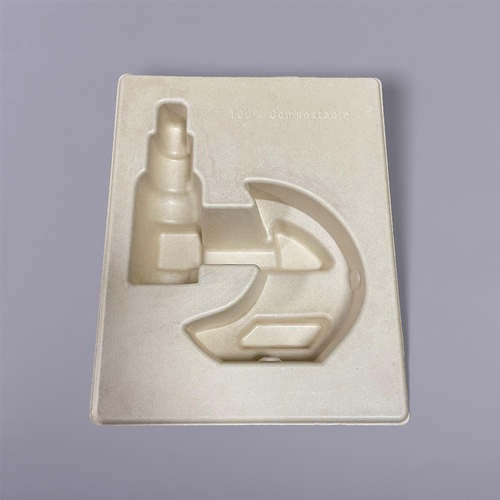
The unboxing experience has become particularly crucial in the age of social media, where aesthetically pleasing or innovative packaging often gets shared online. From branded stickers to clever opening mechanisms, thoughtful design details can transform ordinary takeout into shareable content that drives brand awareness. When considering molded pulp box options, restaurants gain not just sustainable solutions but also distinctive packaging that stands out in delivery bags and on social feeds.
As the pulp decomposes, Sustainable skincare packaging undergoes a series of changes. First, it's broken down into smaller fragments by fungi and bacteria. These microorganisms feed on the pulp, releasing enzymes that break down complex organic matter into simpler forms. Over time, these fragments are further degraded into humus—a rich, dark material that enhances soil fertility.