
Maintaining proper posture while sitting at a desk is one of the most overlooked aspects of workplace health. For anyone spending long hours at a desk, an eames office chair can be a game-changer.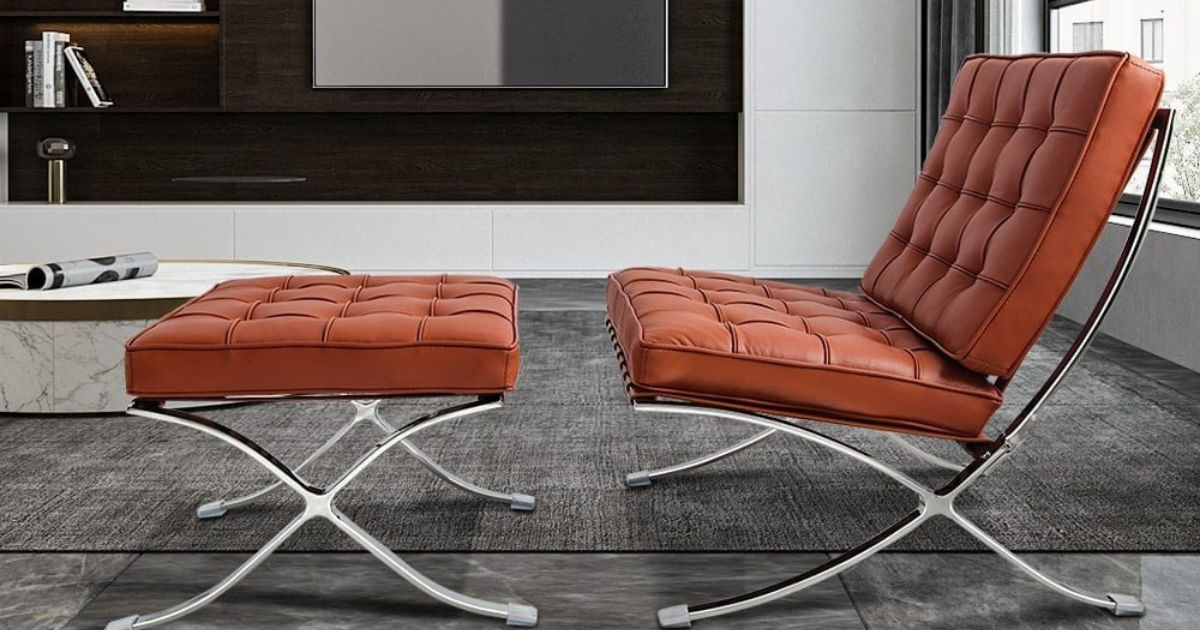
But owning a high-quality chair is only half the battle; using it correctly ensures maximum comfort, efficiency, and long-term health.
In this guide, we will walk through a complete posture checklist to help you use your eames office chair effectively, keeping your spine aligned, your muscles relaxed, and your productivity high.
Why Proper Posture Matters
Sitting incorrectly for long periods can lead to numerous problems, including back pain, neck strain, and even headaches. Many people believe that a comfortable chair alone will solve these problems. However, even the best chair, like an eames office chair, can’t prevent poor posture unless it’s used properly. Correct posture reduces pressure on your spine, improves circulation, and boosts focus, making daily tasks easier and more comfortable.
Understanding Your Eames Office Chair
Before diving into posture tips, it’s important to understand the design of your eames office chair. This chair is known for its ergonomic shape, supportive backrest, and adjustable features. Most eames office chairs offer tilt functions, height adjustments, and lumbar support. Familiarizing yourself with these features is the first step to using the chair effectively. Proper adjustments allow the chair to complement your body, rather than forcing your body to adjust to the chair.
Seat Height Adjustment
The first step in proper posture is adjusting the seat height. Your feet should rest flat on the floor while your knees form a 90-degree angle. If your chair is too high, your thighs will press against the edge of the seat, reducing circulation. If it’s too low, you may slouch, causing back strain. Most eames office chairs come with a pneumatic lift, allowing easy height adjustment. Take time to adjust the height every time you switch desks or shoes to maintain proper alignment.
Seat Depth and Angle
Many people overlook seat depth and angle, yet they are critical for good posture. Your back should rest against the backrest without leaving a large gap between your lower back and the seat. If your eames office chair allows, adjust the seat depth so that there is a small space (about two to three fingers) between the back of your knees and the seat edge. The seat tilt should keep your pelvis slightly forward, preventing slumping while supporting the natural curve of your spine.
Lumbar Support
The lower back is particularly vulnerable to strain during long periods of sitting. One of the standout features of an eames office chair is its lumbar support. Adjust the lumbar cushion or the chair’s backrest to fit the natural inward curve of your lower back. Proper lumbar support maintains the spine’s natural S-shape and prevents fatigue in the muscles surrounding the spine. Check your lumbar alignment regularly to ensure that your chair is supporting you correctly.
Backrest Position
The backrest of your eames office chair is more than a comfort feature—it’s an essential tool for proper posture. Sit with your back fully against the chair, shoulders relaxed, and spine straight. Avoid leaning too far forward, as this strains your lower back and neck. If your chair allows, slightly recline the backrest to a 100–110 degree angle. This slight backward tilt reduces pressure on your spinal discs while keeping you alert and engaged.
Armrest Adjustment
Proper armrest height can reduce tension in your shoulders and neck. Your elbows should rest comfortably at a 90-degree angle while your wrists remain neutral on the desk or keyboard. Many eames office chairs have adjustable armrests. Set them so your shoulders are relaxed, not hunched, and your forearms are parallel to the floor. Avoid resting your elbows too high or too low, as both positions can contribute to discomfort over time.
Head and Neck Alignment
Even with an ergonomic chair like the eames office chair, many people neglect head and neck posture. Keep your head aligned with your spine, ears over shoulders, and chin parallel to the floor. Avoid leaning forward toward your screen. A monitor positioned at eye level reduces strain, and a slight recline of the chair can help maintain a natural neck curve. Proper alignment of the head and neck can prevent tension headaches and stiffness.
Foot Positioning
Many people forget that foot placement plays a role in overall posture. Your feet should be flat on the floor or on a footrest if your chair height requires it. Crossing legs or tucking feet under the chair can disrupt your pelvic alignment, increasing stress on your lower back. Using the floor or a footrest keeps your hips and knees aligned and improves circulation during long hours of sitting in your eames office chair.
Desk and Monitor Setup
Your chair posture is closely linked to your desk setup. Ensure your desk height allows your elbows to bend at 90 degrees with forearms parallel to the floor. Position your monitor so the top of the screen is at eye level, approximately an arm’s length away. This setup complements the ergonomic features of your eames office chair, ensuring that you maintain a neutral posture without leaning or straining.
Regular Movement and Breaks
Even with a perfectly adjusted eames office chair, sitting for hours without movement is harmful. Experts recommend standing up or stretching every 30–60 minutes. Gentle movements like shoulder rolls, spinal twists, and leg stretches prevent stiffness, improve circulation, and reinforce the benefits of good posture. Using your chair for micro-movements, like tilting or rocking, can also keep your muscles engaged.
Core Engagement
Proper sitting posture is not just about the chair—it’s also about your body. Engage your core muscles lightly to support your spine. Sitting with a slight core activation prevents slumping and encourages an upright posture. Your eames office chair provides the support, but your muscles maintain alignment throughout the day. A strong core reduces fatigue and supports spinal health over time.
Avoiding Common Posture Mistakes
Even with an eames office chair, common mistakes can undermine your posture. Avoid slouching, leaning on one arm, or pushing your chair too far back. Keep your weight evenly distributed across your hips and sit fully back in the chair. Frequently check yourself to ensure your shoulders, neck, and back are aligned. Awareness is key—your chair can only support what your body allows.
Customizing Your Eames Office Chair
The eames office chair is highly versatile. Take full advantage of customization options, including tilt tension, seat height, and lumbar adjustments. Each user’s body is different, so personalizing the chair to your body is essential. Experiment with small changes until you find the combination that keeps you comfortable, aligned, and focused.
Ergonomic Accessories
In addition to the eames office chair, consider ergonomic accessories to enhance posture. A footrest, monitor stand, or adjustable keyboard tray can complement your chair’s support. Even a small pillow or cushion can reinforce lumbar support if needed. Combining your eames office chair with the right accessories maximizes ergonomic benefits.
Mental Awareness of Posture
Good posture requires conscious effort. Use reminders, apps, or sticky notes to check your posture throughout the day. Small adjustments—like straightening your back, relaxing shoulders, or adjusting armrests—make a big difference over time. Your eames office chair provides support, but mindfulness ensures it is used effectively.
Posture for Different Tasks
Different tasks require different seating positions. Typing, writing, or reading may need slight changes in chair tilt or armrest positioning. For example, tilting the chair slightly forward can help during focused desk work, while a slight recline may be better for reading or thinking. Adjust your eames office chair according to the task to maintain comfort and spinal alignment.
Benefits of Using an Eames Office Chair Correctly
Using your eames office chair effectively offers numerous benefits. Reduced back and neck pain, improved circulation, better focus, and less fatigue are just a few. Long-term use can prevent chronic issues like herniated discs or poor posture habits. Properly combining the chair’s features with body awareness makes sitting more than just a necessity—it becomes a health-supporting habit.
Conclusion
The eames office chair is more than a stylish piece of furniture—it’s a tool for health, productivity, and comfort. However, its benefits can only be realized when used correctly. By adjusting seat height, backrest, armrests, and lumbar support, and by maintaining awareness of head, neck, and core alignment, you can ensure proper posture throughout the day. Complement your chair with ergonomic desk setups, regular movement, and mental reminders to maximize comfort and prevent strain. Incorporating these practices turns your chair into a foundation for long-term spinal health and productivity. Remember, the chair supports you, but your posture and habits maintain the benefits. Use your eames office chair wisely, and you’ll experience the full ergonomic potential it offers.