
In the world of fashion, Pakistani Fashion holds a unique charm that combines elegance, tradition, and modern style, as showcased on nani je.
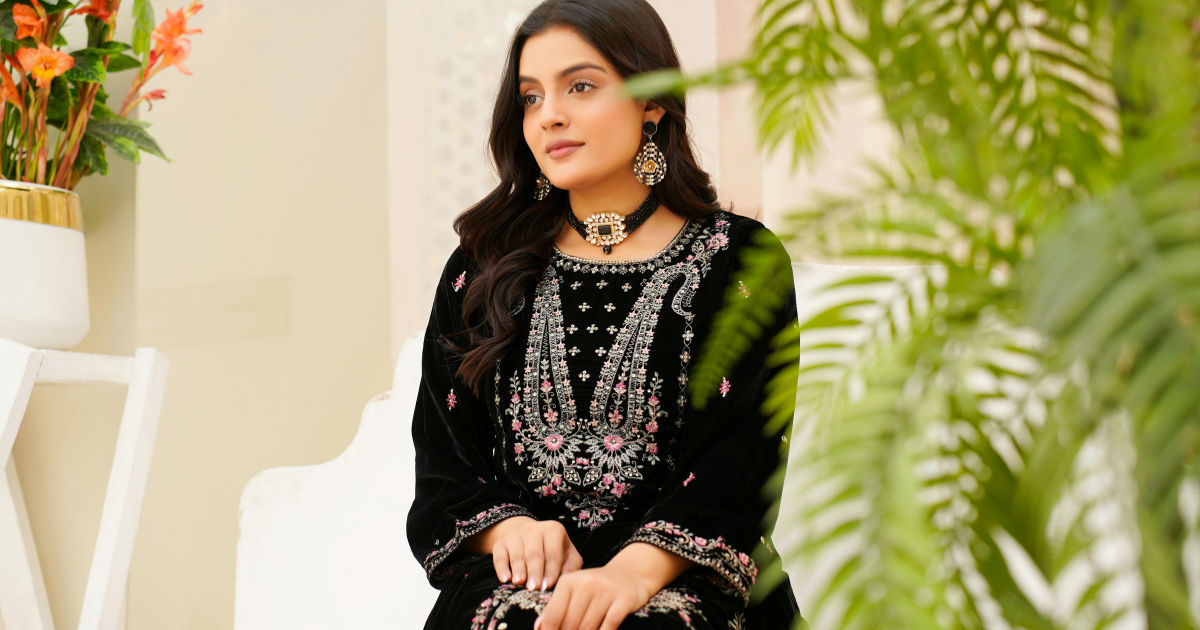
Whether you are someone who loves cultural attire or wants to create a wardrobe that reflects your heritage, building a collection of Pakistani traditional clothes is both exciting and rewarding.
This guide will walk you through every step of creating a versatile, stylish, and timeless wardrobe with Pakistani traditional clothes.
Pakistani Traditional Clothes
Before diving into your wardrobe, it’s essential to understand what Pakistani traditional clothes are and why they are special. Pakistani fashion includes a variety of outfits, from daily wear to formal and festive clothing. The fabrics, designs, and embroidery often reflect the rich culture and heritage of Pakistan.
Traditional clothes generally include:
-
Shalwar Kameez: The most common outfit, suitable for everyday wear and formal occasions.
-
Sarees and Ghararas: Worn for weddings and festivals, usually adorned with intricate embroidery.
-
Kurta and Pajama: A comfortable option for casual and semi-formal events.
-
Lehenga Choli: A festive outfit popular for weddings and parties.
Each type of clothing serves a different purpose in your wardrobe. A well-planned wardrobe balances daily wear with occasional pieces to cover all your needs.
Step 1: Identify Your Wardrobe Needs
Building a traditional Pakistani wardrobe starts with understanding your lifestyle. Ask yourself:
-
Do I need clothes for daily wear, office wear, or casual gatherings?
-
Do I want outfits for weddings, Eid, or other festivals?
-
What is my budget for Pakistani traditional clothes?
Identifying your needs will help you avoid unnecessary purchases and focus on clothing that complements your lifestyle. For example, if you attend frequent social events, investing in a few statement pieces with detailed embroidery will be wise. On the other hand, if you mostly require daily wear, lightweight and comfortable shalwar kameez will be a better investment.
Step 2: Choose Your Fabrics Wisely
Fabrics play a crucial role in Pakistani traditional clothes. The right fabric ensures comfort, durability, and elegance. Some popular fabrics in Pakistani Fashion include:
-
Cotton: Ideal for daily wear, especially in hot climates.
-
Lawn: Lightweight and perfect for summer casual wear.
-
Silk: Luxurious fabric suitable for weddings and formal events.
-
Chiffon: Flowing and elegant, often used in formal suits and dupattas.
-
Linen: Comfortable and breathable, suitable for everyday outfits.
-
Velvet: Rich and heavy fabric, commonly used for winter and bridal wear.
Invest in a mix of fabrics so your wardrobe is versatile across seasons. Prioritize quality over quantity to ensure your clothes last longer and maintain their beauty.
Step 3: Select Your Color Palette
Color selection is another key factor in building a cohesive wardrobe. Consider your skin tone, personal preference, and the occasion when choosing colors. Pakistani Fashion is known for its vibrant and diverse color options.
-
Neutral Colors: White, beige, cream, and pastels are perfect for daily wear and layering.
-
Bright Colors: Pink, red, orange, and yellow are ideal for festive occasions and celebrations.
-
Dark Colors: Navy blue, maroon, and deep green are perfect for formal events and winter attire.
A well-rounded wardrobe balances bright, dark, and neutral shades. Choose colors that complement each other and can be paired easily with other pieces in your wardrobe.
Step 4: Invest in Basic Wardrobe Staples
Every traditional Pakistani wardrobe needs a few staple pieces that form the foundation. These essentials are versatile, timeless, and can be worn on multiple occasions.
Shalwar Kameez Sets
-
A plain cotton shalwar kameez is a must-have for everyday wear.
-
Include embroidered or printed shalwar kameez for semi-formal events.
Kurtas
-
Simple cotton or linen kurtas are perfect for casual and office wear.
-
Long kurtas with intricate work can double as formal attire.
Dupattas
-
Solid color or lightly embroidered dupattas add elegance to basic outfits.
-
Keep a few statement dupattas for special occasions.
Bottoms
-
Plain shalwars, churidars, or trousers in neutral colors can match multiple tops.
-
For festive occasions, invest in designer lehenga bottoms or ghararas.
Step 5: Add Statement Pieces
After building a foundation with staples, it’s time to add statement pieces. These outfits stand out for their design, fabric, or embellishment and are perfect for weddings, parties, or festivals.
-
Embroidered Dresses: Hand-embroidered shalwar kameez or long gowns with detailed work.
-
Lehenga Choli: A few festive lehengas in silk or velvet.
-
Bridal Wear: If you plan to attend weddings frequently, invest in a formal bridal outfit.
-
Designer Kurtas: Perfect for Eid, Diwali, or other cultural celebrations.
Statement pieces often reflect your personal taste and can elevate your wardrobe from simple to sophisticated.
Step 6: Mix Modern and Traditional Styles
Pakistani Fashion is evolving, and combining modern trends with traditional clothing can create a unique wardrobe. Consider these options:
-
Fusion Wear: Pair a traditional embroidered kameez with modern palazzo pants.
-
Contemporary Cuts: Long asymmetrical kurtas or high-low tunics add a modern twist.
-
Layering: Use jackets, vests, or capes over traditional outfits for a stylish look.
Mixing modern styles ensures your wardrobe is trendy while staying rooted in cultural heritage.
Step 7: Accessorize Wisely
Accessories are key to completing your Pakistani traditional outfits. Proper accessories add elegance and sophistication without overwhelming your attire.
-
Jewelry: Statement earrings, bangles, and necklaces complement festive and formal outfits.
-
Footwear: Traditional khussa, sandals, or elegant heels depending on the occasion.
-
Bags and Clutches: Match your outfit with small clutches for events or handbags for casual wear.
-
Scarves and Shawls: Layered shawls or scarves enhance your look during winter or formal events.
Accessorizing carefully ensures your wardrobe feels complete and polished.
Step 8: Organize Your Wardrobe
A well-organized wardrobe saves time and keeps your outfits in good condition. Separate your clothes by type, fabric, and occasion.
-
Daily Wear: Keep casual shalwar kameez, kurtas, and dupattas easily accessible.
-
Formal Wear: Hang embellished outfits separately to avoid damage.
-
Seasonal Clothes: Store heavy fabrics like velvet in winter and lighter fabrics like lawn in summer.
Proper organization makes it easier to plan your outfit and ensures longevity of your traditional clothes.
Step 9: Maintain Your Clothes
Maintenance is crucial for a Pakistani traditional wardrobe. Proper care preserves the quality and beauty of your outfits.
-
Washing: Follow fabric-specific washing instructions. Hand wash delicate fabrics like silk and chiffon.
-
Storage: Use garment bags for embellished outfits to avoid dust and damage.
-
Ironing: Always use the correct heat settings for different fabrics.
-
Repair: Fix small issues like loose threads or minor tears immediately to prevent bigger problems.
Consistent maintenance ensures that your wardrobe remains elegant and ready for every occasion.
Step 10: Shop Smartly
Building a Pakistani traditional wardrobe requires careful shopping. Keep the following tips in mind:
-
Research Brands: Look for brands known for quality and authentic Pakistani Fashion.
-
Budget Wisely: Invest in high-quality staples and statement pieces within your budget.
-
Mix High and Low: Combine designer outfits with affordable daily wear for variety.
-
Seasonal Sales: Take advantage of discounts to buy festive or formal clothing.
Shopping smartly ensures your wardrobe grows steadily without unnecessary spending.
Step 11: Embrace Cultural Diversity
Pakistani Fashion is diverse, reflecting different regions and traditions. Incorporate regional styles to make your wardrobe more versatile and culturally rich.
-
Sindhi Embroidery: Known for vibrant colors and mirror work.
-
Punjabi Phulkari: Floral embroidery with intricate patterns.
-
Balochi Embroidery: Bold and geometric designs perfect for festive wear.
-
Pakistani Bridal Wear: Luxurious and heavy embroidery for weddings.
Including diverse styles makes your wardrobe more unique and reflective of Pakistan’s rich cultural heritage.
Step 12: Keep Updating Your Wardrobe
Fashion evolves constantly, and your traditional wardrobe should too. Stay updated with trends in Pakistani Fashion and add new pieces gradually.
-
Introduce new fabrics or contemporary designs each season.
-
Replace worn-out staples with fresh pieces.
-
Experiment with colors and patterns while maintaining timeless classics.
A dynamic wardrobe ensures you are always ready for every occasion while staying stylish.
Conclusion
Building a Pakistani traditional clothes wardrobe is a thoughtful process that combines understanding your needs, selecting the right fabrics, colors, and designs, and investing in versatile staples and statement pieces. By carefully organizing, maintaining, and updating your wardrobe, you can enjoy a collection that reflects both cultural heritage and modern style.
With the proper planning and attention to detail, your wardrobe can be a source of pride and joy, allowing you to celebrate Pakistani Fashion in every aspect of your life. Start with the basics, add statement pieces, mix traditional and modern elements, and accessorize thoughtfully to create a wardrobe that is timeless, versatile, and elegant.
By following these steps, anyone can build a Pakistani traditional clothes wardrobe that meets everyday needs, festive occasions, and special celebrations, ensuring that you always look polished and culturally stylish.