Advanced Petroleum Simulators Transforming Industry Training StandardsAdvanced Petroleum Simulators Transforming Industry Training Standards
The global energy sector faces unprecedented challenges in workforce development, with experienced professionals retiring and new technologies requiring specialized skills. Esimtech addresses these challenges through their comprehensive range of Oil and Gas Simulators that replicate real operational environments with remarkable fidelity. These sophisticated training systems have become essential tools for companies seeking to maintain operational excellence while ensuring the highest safety standards across all petroleum operations.
Core Product Categories and Applications
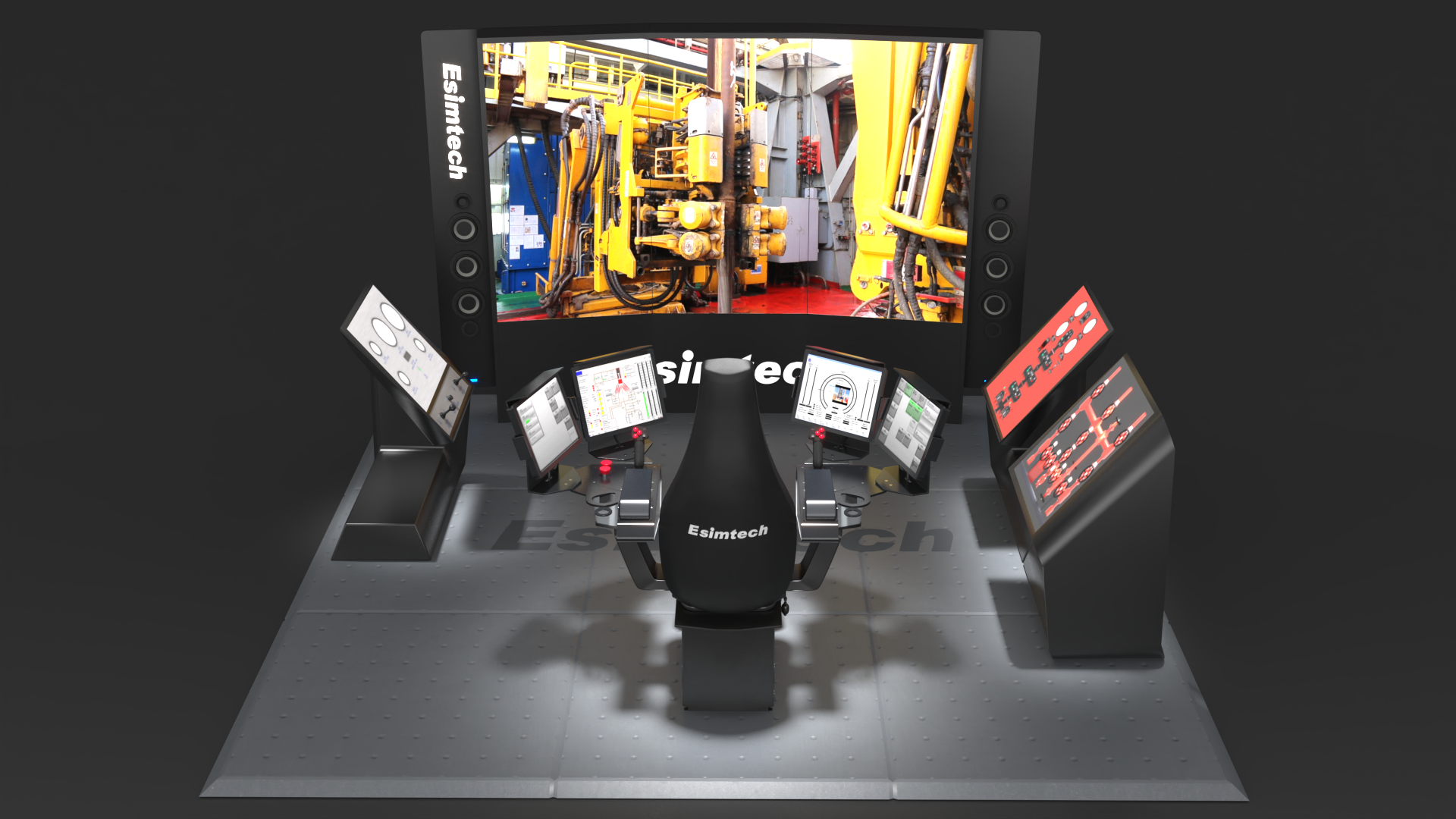
Esimtech offers specialized simulators for every phase of petroleum operations, each designed to address specific training needs and operational challenges. Drilling simulators provide realistic experience with various drilling techniques, equipment operations, and emergency response procedures. Production simulators focus on reservoir management, well control, and production optimization strategies. Maintenance and safety simulators train personnel in equipment troubleshooting, preventive maintenance, and hazard response protocols. Each system incorporates the latest technological advancements to ensure training relevance and effectiveness.
Technological Innovation and System Architecture
The technological foundation of Esimtech simulators represents years of research and development in simulation engineering. High-fidelity physics engines accurately model fluid dynamics, equipment behavior, and geological interactions. Real-time data processing systems provide immediate feedback on trainee performance, while advanced visualization technologies create immersive training environments. The modular architecture allows for customization and expansion as operational requirements evolve, ensuring long-term value and adaptability to changing industry standards.
| Simulator Type | Primary Applications | Key Features | Training Benefits |
|---|---|---|---|
| Drilling Simulators | Well planning, drilling operations, emergency response | Real-time drilling dynamics, BOP control systems, formation pressure modeling | Reduced non-productive time, improved safety records |
| Production Simulators | Reservoir management, production optimization, well intervention | Reservoir simulation, production forecasting, artificial lift systems | Increased production efficiency, extended asset life |
| Process Simulators | Refinery operations, gas processing, chemical plants | Process control systems, safety instrumented systems, emergency shutdown procedures | Enhanced process safety, reduced environmental incidents |
| Safety & Emergency Simulators | Hazard recognition, emergency response, incident management | Fire and gas detection systems, emergency evacuation procedures, crisis management scenarios | Improved emergency preparedness, reduced incident severity |
Implementation of Oil and Gas Simulators typically follows a structured process beginning with comprehensive needs assessment. Esimtech experts work closely with client organizations to identify specific training objectives, operational challenges, and performance metrics. This collaborative approach ensures that deployed solutions directly address identified gaps and align with organizational goals. The implementation phase includes system installation, instructor training, curriculum development, and integration with existing training programs, followed by ongoing support and system optimization based on user feedback and performance data.
Measuring return on investment for simulation training involves both quantitative and qualitative metrics. Organizations typically observe significant reductions in safety incidents, with some reporting decreases of 40-60% in recordable incidents following comprehensive simulator training programs. Operational efficiency improvements often manifest as reduced non-productive time, with drilling operations showing particular benefits from enhanced crew competency. Equipment maintenance costs frequently decrease as personnel develop better troubleshooting skills and preventive maintenance practices. Perhaps most importantly, organizations report improved safety culture and increased confidence among operational staff, creating a positive feedback loop that reinforces continuous improvement.
For companies considering investment in advanced training solutions, several best practices have emerged from successful implementations worldwide. Begin with pilot programs focusing on high-risk or high-value operations to demonstrate tangible benefits. Engage operational personnel throughout the planning and implementation process to ensure buy-in and relevance. Develop clear metrics for success before implementation to facilitate objective evaluation. Plan for ongoing curriculum updates and system enhancements to maintain training effectiveness as operations evolve. Finally, integrate simulator training with other development initiatives to create comprehensive competency management systems.
The future of petroleum training continues to evolve with technological advancements, and Esimtech remains at the forefront of this evolution. Their ongoing research and development initiatives explore emerging technologies including artificial intelligence, virtual reality, and data analytics to further enhance training effectiveness. As the industry faces increasing complexity and regulatory scrutiny, the role of advanced simulation in developing competent, confident, and safety-conscious professionals becomes increasingly vital. Organizations that prioritize investment in such training solutions position themselves for sustainable success in an increasingly challenging operational environment.