Starting a journey toward recovery from substance use is never easy, but it is possible. For residents of Santa Barbara and the surrounding areas, accessing professional help through Santa Barbara recovery programs can provide a structured path toward lasting sobriety.
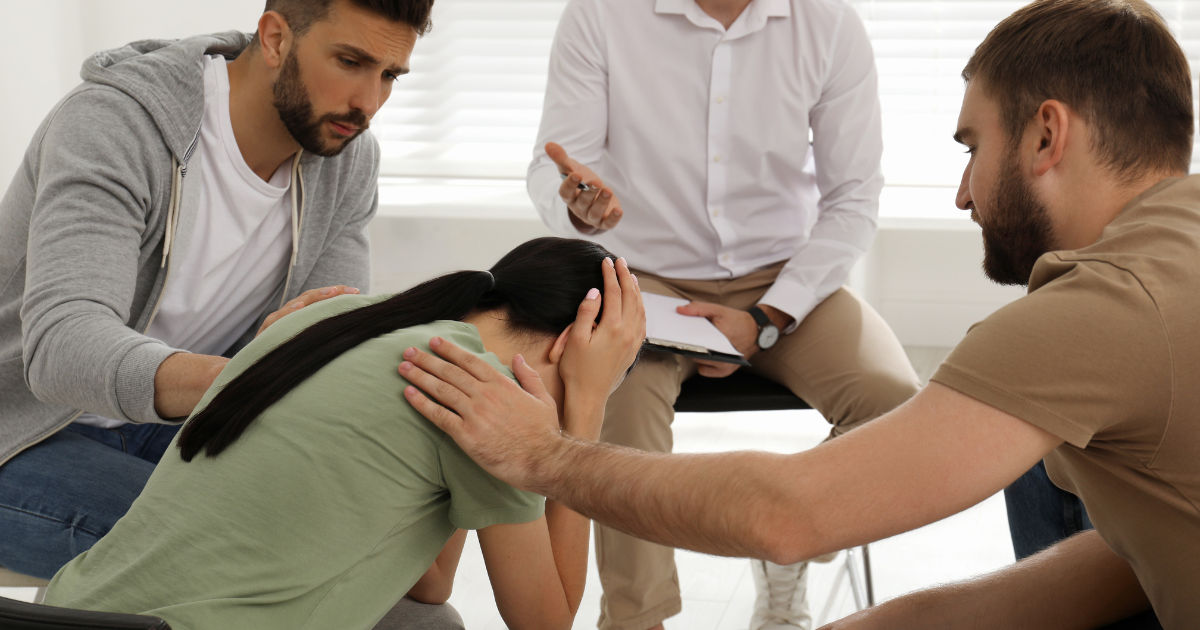
Recovery is not just about quitting substances; it’s about rebuilding your life, regaining health, and learning tools to manage challenges without returning to old habits.
Santa Barbara recovery offers a range of programs, including inpatient and outpatient treatment, counseling, support groups, and holistic therapies.
Knowing where to start and understanding the steps can make the process less overwhelming. This guide is designed to help anyone in Santa Barbara who wants to take control of their life and begin the journey to recovery.
Recognizing the Need for Help
The first step toward Santa Barbara recovery is acknowledging that there is a problem. Substance abuse often affects not just physical health but also emotional well-being, relationships, and work or school performance. Some common signs that someone may need help include:
-
Feeling unable to control substance use
-
Neglecting responsibilities at home, work, or school
-
Experiencing withdrawal symptoms when not using
-
Using substances to cope with stress, anxiety, or depression
-
Damaging relationships with friends or family
Recognizing these signs is crucial because denial often prevents people from seeking the help they need. In Santa Barbara, professionals understand that acknowledging the problem is a courageous and essential first step in Santa Barbara recovery.
Researching Local Treatment Options
Once the need for help is recognized, the next step is to research local resources. Santa Barbara recovery programs vary in type, cost, and approach, so understanding what is available can help you find a program that fits your needs.
Key options include:
-
Inpatient Rehabilitation: Full-time care in a structured environment. Patients live at the facility and receive intensive therapy.
-
Outpatient Programs: Flexible schedules allow patients to live at home while attending treatment sessions.
-
Detox Centers: Medical supervision for safely withdrawing from substances.
-
Counseling Services: Individual or group therapy to address mental health and addiction issues.
-
Support Groups: Peer support such as Alcoholics Anonymous or Narcotics Anonymous meetings.
When researching, consider factors such as facility reputation, treatment philosophy, staff qualifications, and aftercare services. Many Santa Barbara recovery centers also offer free consultations to help families and individuals make informed decisions.
Seeking Professional Assessment
A professional assessment is often the first formal step in a Santa Barbara recovery journey. Licensed clinicians evaluate the severity of addiction, co-occurring mental health conditions, and individual needs. This assessment helps create a personalized treatment plan.
During an assessment, professionals may examine:
-
Physical health, including potential damage from substance use
-
Psychological health, including anxiety, depression, or trauma
-
Social and environmental factors that may contribute to substance use
-
History of substance use and prior treatment attempts
Accurate assessment ensures that the recovery plan is tailored specifically to you, increasing the likelihood of long-term success.
Choosing the Right Treatment Program
After assessment, the next step in Santa Barbara recovery is selecting a treatment program that aligns with your needs. This decision can be overwhelming, but breaking it down into key considerations can help:
-
Level of Care: Inpatient vs. outpatient
-
Therapeutic Approach: Cognitive Behavioral Therapy (CBT), Motivational Interviewing (MI), or holistic therapies
-
Duration: Short-term (30 days) vs. long-term (90 days or more)
-
Support Services: Family therapy, vocational training, and relapse prevention
Visiting multiple facilities or reading online reviews can provide insights into what program may work best. Remember, no one treatment fits everyone—Santa Barbara recovery offers a variety of approaches to meet diverse needs.
Preparing for Detox
Detoxification is often the initial phase of formal treatment, especially for substances like alcohol, opioids, or prescription medications. Detox is the process of removing toxic substances from the body under medical supervision.
In Santa Barbara recovery programs, detox is typically:
-
Monitored 24/7 by healthcare professionals
-
Assisted with medications to reduce withdrawal symptoms
-
Supported by counseling to manage cravings and anxiety
It’s important to note that detox alone is rarely sufficient for long-term recovery. Detox is the foundation upon which therapy, counseling, and support are built.
Engaging in Therapy and Counseling
Therapy is central to Santa Barbara recovery. While detox addresses the physical aspects of addiction, therapy helps heal the mind and address the underlying causes of substance use. Common therapeutic approaches include:
-
Cognitive Behavioral Therapy (CBT): Helps identify and change negative thought patterns that contribute to addiction.
-
Motivational Interviewing (MI): Encourages personal motivation to change.
-
Family Therapy: Rebuilds relationships and improves communication with loved ones.
-
Group Therapy: Provides peer support and reduces feelings of isolation.
Therapy not only helps individuals understand their addiction but also equips them with coping skills for stress, triggers, and relapse prevention.
Building a Support System
Recovery is not a journey to take alone. Building a strong support system is a crucial step in Santa Barbara recovery. Family, friends, and peer support groups all play vital roles in maintaining sobriety.
Key strategies include:
-
Joining local support groups such as AA or NA
-
Seeking mentorship from someone in long-term recovery
-
Communicating openly with trusted family and friends about your needs
-
Avoiding environments or social circles that encourage substance use
Support systems provide accountability, encouragement, and understanding during challenging moments.
Implementing Healthy Lifestyle Changes
Substance recovery is not just about stopping drug or alcohol use—it’s about creating a healthy, sustainable lifestyle. Santa Barbara recovery programs often emphasize:
-
Nutrition: Eating balanced meals supports physical and mental health
-
Exercise: Regular activity reduces stress and boosts mood
-
Sleep Hygiene: Adequate rest improves emotional stability
-
Mindfulness Practices: Meditation or yoga can help manage cravings
Adopting these habits strengthens overall well-being and reduces the likelihood of relapse.
Understanding Relapse and How to Prevent It
Relapse is a common concern during recovery, but it does not mean failure. Understanding triggers and developing coping strategies is essential in Santa Barbara recovery.
Relapse prevention strategies include:
-
Identifying personal triggers such as stress, social pressure, or emotional distress
-
Creating an action plan for high-risk situations
-
Staying engaged in therapy and support groups
-
Using healthy coping mechanisms instead of substances
By preparing for potential setbacks, individuals can maintain progress and build resilience.
Continuing Care and Aftercare
Recovery doesn’t end with the completion of a formal program. Continuing care, also called aftercare, ensures long-term success. Many Santa Barbara recovery programs provide:
Aftercare helps maintain accountability, provides ongoing emotional support, and assists with transitioning back into daily life without relying on substances.
Leveraging Community Resources
Santa Barbara has a wealth of community resources to support recovery. Local organizations, healthcare providers, and nonprofit agencies can assist with:
-
Housing and employment support
-
Transportation to treatment and support groups
-
Legal and financial counseling
-
Family education and support programs
Utilizing these resources can reduce stress and remove barriers, allowing individuals to focus on their Santa Barbara recovery journey.
The Role of Mental Health in Recovery
Substance use disorders are often linked to underlying mental health conditions such as depression, anxiety, or trauma. Addressing these conditions is vital for successful Santa Barbara recovery.
Integrated treatment programs provide:
By treating both mental health and addiction simultaneously, individuals increase their chances of long-term recovery success.
Setting Realistic Goals
Setting achievable goals is an important step in recovery. Short-term and long-term goals provide structure and motivation during Santa Barbara recovery. Examples include:
-
Attending a certain number of therapy sessions weekly
-
Rebuilding personal relationships
-
Pursuing education or career development
-
Maintaining sobriety milestones
Celebrating small successes builds confidence and reinforces the commitment to a substance-free life.
Encouraging Family Involvement
Family support is a cornerstone of Santa Barbara recovery. Involving loved ones can:
-
Improve communication and understanding
-
Help rebuild trust and repair relationships
-
Provide accountability and emotional encouragement
Family therapy sessions offered by local programs teach families how to support recovery without enabling unhealthy behaviors.
Embracing Holistic and Alternative Therapies
Many Santa Barbara recovery programs incorporate holistic approaches to complement traditional treatment. These may include:
-
Yoga and meditation for stress relief
-
Art, music, or equine therapy for emotional expression
-
Nutritional counseling to restore physical health
-
Mindfulness techniques to improve focus and reduce cravings
Holistic therapies address the whole person—body, mind, and spirit—enhancing the recovery experience.
Planning for Long-Term Success
Long-term recovery requires ongoing commitment and planning. Some essential steps include:
-
Maintaining regular therapy and support group attendance
-
Continuing healthy lifestyle habits
-
Developing coping strategies for stress and triggers
-
Engaging in meaningful activities and goals
Planning for a substance-free life helps prevent relapse and encourages personal growth, ensuring the benefits of Santa Barbara recovery are long-lasting.
Conclusion
Starting a journey to recovery in Santa Barbara is a courageous decision that requires self-awareness, planning, and support. By recognizing the need for help, researching treatment options, undergoing professional assessments, and committing to therapy, individuals can rebuild their lives and regain health. Recovery involves multiple steps, including detox, counseling, support networks, healthy lifestyle changes, and ongoing aftercare.
Santa Barbara recovery is more than just treatment—it’s a holistic approach to healing that addresses both the physical and emotional aspects of addiction. With access to local resources, professional guidance, and community support, anyone struggling with substance use can take meaningful steps toward a brighter, sober future. Recovery is not instantaneous, but with perseverance and structured support, it is attainable.
Taking the first step may be the hardest, but it is also the most important. By embracing these strategies and leveraging the resources available in Santa Barbara, lasting recovery is possible.
